Boy Dummy Embroidery Design Review
A First Impression: Playful, Precise, and Boutique-Ready
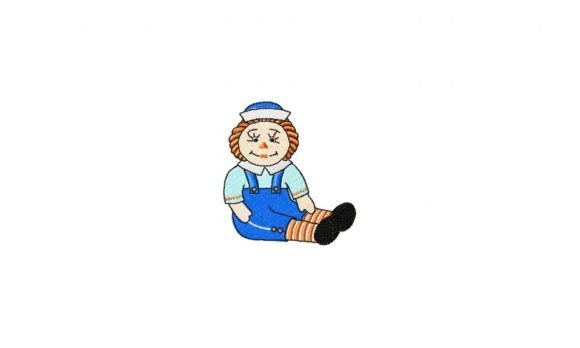
Opening the Boy Dummy embroidery file on my design software, I immediately noticed its confident silhouette — clean lines, balanced proportions, and subtle articulation in the limbs and posture. It doesn’t scream “toy” in a literal sense; instead, it reads as a stylized, contemporary figure with quiet charm. The stitching mood is friendly but not cutesy, detailed but not fussy — exactly what boutique apparel needs to stand out without overwhelming fabric texture. This isn’t a novelty stitch-out; it’s a *designer’s tool*: versatile enough for gender-neutral collections, seasonal drops, or signature branding. Its visual personality lands somewhere between modern minimal and approachable illustration — timeless enough for long-term use, fresh enough to feel current.
Sweatshirt & Hoodie Performance: Chest Placement That Commands Attention
For sweatshirt embroidery, Boy Dummy works beautifully at standard chest placement (3–4 inches wide). Its centered vertical rhythm anchors the garment without pulling focus from fit or fabric. On neutral heather gray or oatmeal hoodies, it reads as intentional and elevated — think small-batch streetwear or lifestyle brands that value craft over clutter. On pastel hoodies, the contrast stays soft and cohesive, especially when paired with matte cotton thread. Dark apparel? No problem — rich navy or charcoal brings out the depth of the stitch density, making the outline pop while keeping interior fills grounded. I’d avoid placing it directly over thick ribbed cuffs or hoods unless you’ve tested stabilizer support; the design’s clean contours hold best on stable, slightly structured surfaces like midweight fleece or French terry.
Beyond the Chest: Sleeve Accents, Back Panels, and Tote Bag Appeal
Scaling Boy Dummy down to 2.5" makes it an ideal sleeve accent on oversized sweatshirts or denim jackets — subtle but unmistakably intentional. As a back design (centered or slightly off-center), it gains presence without bulk, especially when paired with minimalist typography below. For tote bags and seasonal cozy layers (think sherpa-lined vests or corduroy jackets), its clarity shines: no fine details blur, and stitch density holds well across varied fabric textures. As a machine embroidery design, it translates cleanly into printable mockups — essential for Etsy sellers building consistent lifestyle product photos. Its clean shape also adapts smoothly to social media graphics and packaging labels, reinforcing brand recognition across touchpoints.
Where It Shines — And Where to Proceed Thoughtfully
- Sweatshirt embroidery: Ideal for front-chest or upper-back placement. Avoid curved seams or deep armholes without testing hoop alignment first.
- Hoodie design: Works best on flat front panels — steer clear of hood binding or drawcord channels unless you’re using a smaller scale and extra-light stabilizer.
- T-shirt embroidery: Choose lightweight knit stabilizer and reduce top tension slightly — the design’s balanced fill areas respond well to stretch, but test on your exact fabric blend.
- Tote bag design: A standout choice — crisp lines stay sharp even after repeated washing and folding.
- Boutique merchandise: Adds instant visual cohesion to curated collections. Pair with coordinating thread colors across multiple pieces (e.g., sage green on cream tees, rust on oatmeal sweatshirts) to strengthen brand identity.
Design Integrity Meets Commercial Practicality
What elevates Boy Dummy beyond trend-driven appeal is its functional intelligence. There are no tiny lettering elements or fragile filigree — just confident, stitch-efficient shapes. That means fewer thread breaks during production, less re-hooping, and smoother transitions across commercial embroidery runs. For small shop product development, that reliability saves time and reduces waste. More importantly, it builds buyer trust: customers recognize craftsmanship in clean edges and consistent density. When used thoughtfully, this Creative Fabrica embroidery design helps position your handmade product as considered, professional, and quietly distinctive — not just another digital embroidery file dropped onto fabric.
Essential Designer Notes Before You Stitch
Before adding Boy Dummy to your next collection, take these practical steps:
- Test on scrap fabric matching your final garment — especially if using fleece, brushed cotton, or ribbed knits.
- Confirm stabilizer choice: medium-weight cutaway for heavy fabrics, tear-away for stable wovens, and lightweight fusible + tear-away for knits.
- Review thread color contrast — lighter threads on dark garments may require an underlay pass; darker threads on light fabric often need no adjustment.
- Verify hoop size compatibility with your machine and intended placement — some versions may require larger hoops for full detail retention.
- Inspect stitch density visually in your embroidery software — ensure fills aren’t overly dense for your fabric weight.
- Compare placement options digitally before hooping — slight shifts in vertical centering dramatically affect balance on tapered garments.
- Double-check Creative Fabrica product details and licensing terms — especially if planning commercial embroidery or finished product resale.
Final Thoughts for the Boutique Brand Builder
Boy Dummy isn’t just another toy-themed embroidery file — it’s a flexible visual anchor for custom apparel that values authenticity over algorithmic trends. Whether you’re launching a capsule hoodie line, refreshing your Etsy seller storefront, or developing cohesive merch for a small creative business, this design delivers quiet confidence. It performs across fabric types, scales gracefully, and maintains integrity in both close-up product shots and lifestyle imagery. In a market flooded with generic motifs, Boy Dummy offers something rarer: thoughtful execution, adaptable energy, and real design intention — all wrapped in one clean, ready-to-stitch digital embroidery file.