Rottweiler Puppy Embroidery Design Review
First Impressions: Warmth, Realism, and Instant Charm
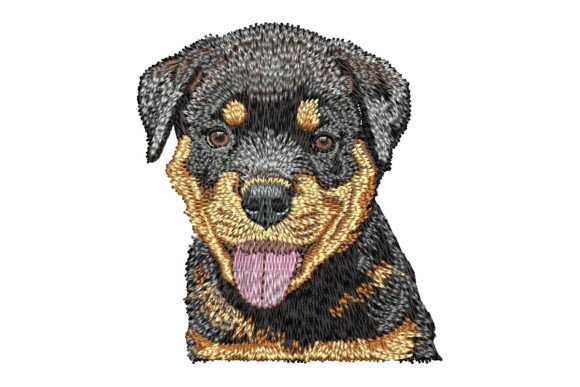
As an embroidery designer who’s tested hundreds of dog-themed files for personalized gift shops, I’ll say this upfront: Rottweiler Puppy lands with quiet confidence—not loud or cartoonish, but deeply affectionate and true-to-life. The moment I loaded the file into my software, I noticed how thoughtfully the facial expression balances puppy softness with that signature Rottweiler dignity. It’s not overly sweetened for baby markets, nor stiffly formal for wedding keepsakes—it simply *feels* like a beloved family member captured mid-gaze. That emotional resonance is rare in machine embroidery designs, especially at this level of realism. For customers seeking meaningful handmade products—whether it’s a first-born’s nursery blanket or a groom’s custom apron—the Rottweiler Puppy design delivers immediate connection.
Where This Design Shines: Personalized Gift Applications
This isn’t just another dog art file—it’s a versatile anchor for high-intent gifting moments. As a small shop owner or Etsy seller, you’ll find Rottweiler Puppy works beautifully across categories:
- Baby embroidery: Stitched on organic cotton swaddles or muslin burp cloths, its gentle realism adds heirloom warmth without overwhelming delicate scale.
- Wedding gifts: Embroidered onto linen pillow covers or monogrammed kitchen towels for the dog-loving couple? Instant sentiment—and a conversation starter at the bridal shower.
- Nursery decor: Paired with neutral tones on a canvas wall hanging or quilt square, it reads classic, not trendy—ideal for long-lasting nursery items.
- Everyday handmade products: Think embroidered tote bags for vet visits, custom aprons for dog trainers, or tea towel sets for rescue volunteers. Its balanced proportions hold up well on curved seams and varied fabric widths.
- Craft fair & Etsy listings: Because it photographs so authentically (especially with natural light), Rottweiler Puppy boosts buyer engagement—shoppers linger, imagine it stitched on *their* item, and click “add to cart.”
Smart Placement: Where to Use It—and Where to Pause
Realism demands respect for technical limits. Before stitching Rottweiler Puppy on your final product, consider these practical realities:
- Avoid ultra-fine lettering integration: The design itself has no text—but if you plan to add names or dates nearby, keep fonts large and bold. Delicate serifs may vanish next to its rich fur texture.
- Test on textured fabric: Terry cloth towels or bouclé blankets require extra stabilizer and lower stitch density. The puppy’s dense fur areas can pucker if hooping tension isn’t adjusted.
- Stretchy baby clothes need caution: While lovely on knit onesies, always use cutaway + tear-away combo stabilizer—and confirm hoop size fits comfortably around necklines or sleeves.
- Dark fabric demands contrast checks: Since thread colors are based on ISACORD 40, test how browns and blacks read on navy or charcoal linens. A slight color shift may be needed for clarity.
- Frequent-wash items benefit from denser underlay: For embroidered towels or dishcloths, reinforce satin-stitched eyes and nose details—they’re small but critical to perceived quality.
Why Customers Trust This Design—Before They Even See the Finished Product
In handmade markets, perceived value starts with visual cues—and Rottweiler Puppy signals craftsmanship before a single stitch is made. Its clean outlines, thoughtful shadow layering, and expressive eyes tell buyers: *This wasn’t rushed. This was chosen with care.* That translates directly to trust. When a new parent orders a blanket embroidery with Rottweiler Puppy, they’re not just buying thread and fabric—they’re investing in memory-making. Same for wedding gift buyers: the design feels intentional, personal, and emotionally grounded. And because it’s realistic—not cutesy or generic—it avoids looking mass-produced. That authenticity lifts your entire product line, whether you sell via Etsy, local craft fairs, or wholesale to boutique gift shops.
Essential Embroidery Notes Before You Stitch
Even the strongest digital embroidery file needs hands-on validation. Here’s what I do before approving Rottweiler Puppy for customer orders:
- Always stitch a test on scrap fabric matching your intended product—same weight, weave, and stretch.
- Compare thread color contrast on both light and dark fabric mockups. ISACORD 40 recommendations are excellent starting points, but lighting and dye lots vary.
- Confirm hoop size compatibility—especially for curved surfaces like tote bag gussets or pillow cover corners.
- Review stitch density in the ears and muzzle; adjust if needed for softer fabrics or higher wash durability.
- Use appropriate stabilizer: medium-weight cutaway for knits, tear-away for stable cottons, and fusible + tear-away for terrycloth.
- Inspect small details post-stitch: Eyes, nostrils, and whisker hints should remain crisp—not blurred or lost in fill.
- Verify commercial licensing before selling finished products. Since this is a digital embroidery file intended for resale use, confirm terms align with your business model.
A Design That Grows With Your Shop
Rottweiler Puppy isn’t just a seasonal bestseller—it’s a foundational piece for any maker serving dog lovers, new families, or couples building life together. It bridges generations (grandparents adore it), occasions (baby showers, weddings, adoption celebrations), and product types (from tiny onesie patches to oversized wall art). When styled thoughtfully—paired with natural fibers, minimalist packaging, and heartfelt storytelling—it elevates your entire brand. As a professional embroidery designer, I don’t recommend every dog file I test. But Rottweiler Puppy? I’ve already added it to my core collection for custom order previews, holiday gift bundles, and shop-branded samples. It earns its place—not with flash, but with feeling.