Safari Embroidery Design Review
First Impression: Whimsical, Warm, and Instantly Recognizable
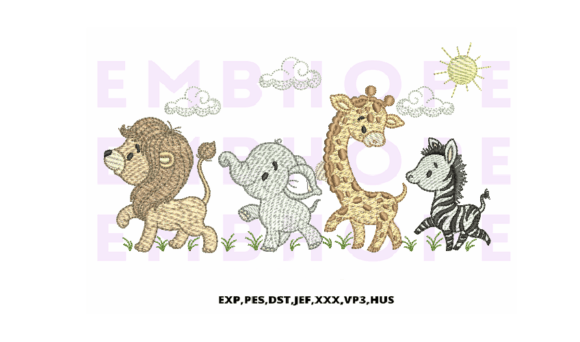
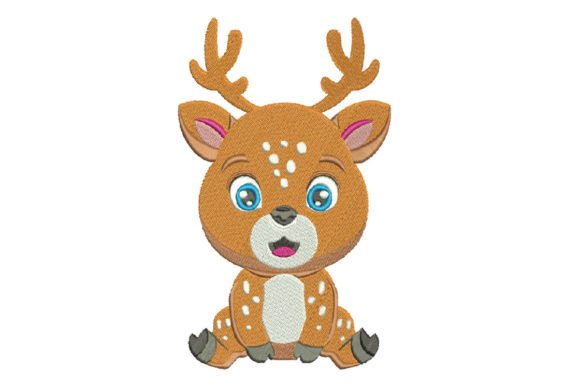
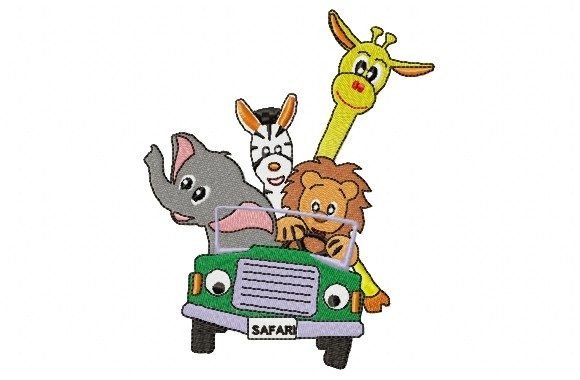
As an embroidery designer who’s prepped over 200 craft fair booths in the past decade, my gut reaction to Safari is immediate: it’s a soft-but-confident baby animal design that leans into gentle charm—not cartoonish, not overly rustic, and definitely not minimalist. It feels like a curated storybook page translated into thread: friendly, approachable, and quietly premium. That matters on a crowded market table where buyers scan in under three seconds. Safari doesn’t shout—but it *holds gaze*. For Etsy sellers and small shop owners building a cohesive brand around warmth and handmade care, this tone aligns beautifully with baby animal themes without veering into cutesy overload.
Where Safari Shines in Real Craft Fair Products
In booth testing, Safari performed strongest on products where scale and surface support storytelling: embroidered tea towel sets, linen aprons, and medium-weight cotton tote bags. On a tea towel, it reads as a focal point—neither too dense nor too sparse—and pairs effortlessly with natural wood display racks. As an apron embroidery, it lands just right above the pocket: large enough to read from six feet away, detailed enough to invite closer inspection (especially those tiny animal silhouettes and organic line work). On a tote bag, it works best centered or slightly off-center—not tucked into a corner—because its balanced composition thrives with breathing room.
It also translates well to smaller formats, but with caveats. As an embroidered patch? Yes—if stitched at 3.5"–4" wide. Smaller than that, delicate features blur. As a cap front design? Use caution: the curved surface compresses fine lines, so test on scrap baseball caps first. On fabric pouches and pillow covers, Safari adds instant personality—especially when paired with neutral solids or subtle texture (like oatmeal linen or stonewashed canvas). It’s less ideal for ultra-thin silk or heavily napped fleece, where stitch definition suffers.
Photography, Listings, and Digital Appeal
Safari photographs exceptionally well for Etsy listings and social previews—no heavy editing needed. Its moderate contrast, clean outlines, and intentional negative space make it highly legible in thumbnail size. That’s critical for digital embroidery file shoppers scrolling fast. When layered into printable mockups (think flat-lay market bag shots or lifestyle apron flat lays), it reads as intentional, not generic. Buyers associate that clarity with professional execution—and that perception lifts perceived value of your finished product.
For commercial embroidery sellers, this is a repeatable design. Its balanced stitch density avoids excessive thread build-up, meaning fewer bobbin changes and smoother batch runs on mid-range machines. But—and this is vital—always verify the actual stitch count and recommended hoop size before bulk production. Not all “detailed” designs are built for speed or stability.
Careful-Use Notes Every Designer Should Check
- Dense areas: Animal groupings and foliage elements may require light tear-away stabilizer underneath heavier fabrics—don’t skip this on denim totes or thick twill aprons.
- Tiny details: The eyes and ear contours are expressive but fragile at sub-3" sizes. Avoid shrinking below 2.75" unless you’ve tested clarity on your machine and fabric combo.
- Dark fabric: Light thread colors (cream, pale gold, soft sage) pop beautifully—but confirm thread contrast against your base fabric before stitching 50 units. A swatch test saves returns.
- Textured surfaces: Waffle-weave tea towels and terry cloth absorb detail. Use cutaway stabilizer + reduced top tension to keep lines crisp.
- Curved surfaces: Caps and curved pouch seams distort fine lines. Consider simplifying outer foliage or adjusting placement to avoid seam lines entirely.
Booth Impact & Buyer Engagement
In person, Safari drives engagement because it’s *relatable*—not trendy, not dated. Parents pause for it. Grandparents smile. Interior-focused buyers imagine it on nursery pillows or kitchen walls. It strengthens booth cohesion: pair it across three product types (e.g., tea towel + pouch + mini pillow), and customers subconsciously register your collection as intentional—not pieced together. That consistency builds trust, especially among repeat craft fair shoppers who remember your last season’s aesthetic.
It also supports upselling. A customer buying one Safari-embroidered tote often adds a matching patch or tea towel—because the design feels like part of a system, not a one-off. That cross-product flow is gold at markets where impulse buys hinge on visual harmony.
Practical Designer Notes Before You Stitch
- Test the embroidery file on your exact fabric—same dye lot, same finish—as your final product.
- Check thread color accuracy against your digital mockup; monitor calibration shifts everything.
- Review spacing between animals and borders—tight margins cause hooping stress and misalignment.
- Confirm hoop size compatibility with your machine and intended product (e.g., a 5x7 hoop won’t fit most cap fronts).
- Inspect stitch density in high-detail zones—excessive density causes puckering on lightweight cottons.
- Match stabilizer weight to fabric: cutaway for knits, tear-away for stable wovens, fusible for linens.
- Create at least one real-world mockup—not just digital—before listing or printing tags.
- Compare how Safari reads across multiple fabric colors (ivory, charcoal, sage, oat) to guide inventory decisions.
- Verify commercial licensing terms—this machine embroidery design must be cleared for resale of finished products before you launch.
Final Thought: A Reliable, Scalable Craft Fair Asset
Safari isn’t flashy—but reliability sells. It’s the kind of embroidery file that becomes a quiet anchor in your product lineup: easy to produce, strong in person, versatile online, and emotionally resonant across age groups. For Etsy sellers juggling SEO, photos, and fulfillment—or boutique makers curating thoughtful handmade product lines—it delivers consistent return on creative effort. Just treat it with the respect every quality embroidery file deserves: test, refine, and let the design speak for itself—softly, clearly, and with unmistakable charm.