Target: A Seasonal Embroidery Staple
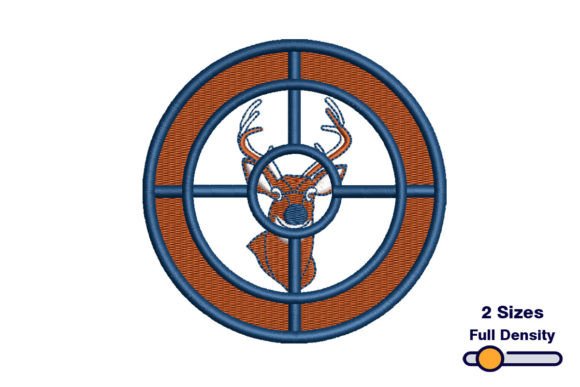
As an embroidery designer who’s built six holiday collections for Etsy sellers and small-batch apparel brands, I opened Target expecting simplicity—and found quiet versatility. This isn’t a flashy, over-decorated motif. It’s clean, intentional, and emotionally resonant in ways that translate directly to seasonal sales. Whether you’re stitching family matching sweatshirts for Thanksgiving or curating a cozy Christmas gift bundle, Target lands with warmth—not noise.
A First Impression That Sells Before the Stitch
The moment you preview Target, it reads as modern yet grounded—neither overly playful nor stiffly formal. There’s a gentle rhythm to its lines, a subtle balance between negative space and detail that invites touch and attention. It feels festive without leaning on clichés: no holly sprigs, no snowflakes, no glittery fonts. Instead, it carries a quiet confidence—cozy, elegant, and just a little nostalgic. That’s rare. Most holiday embroidery files either shout “CHRISTMAS!” or whisper so faintly they vanish on fabric. Target sits perfectly in the middle: warm enough for handmade gift shoppers, refined enough for premium home decor buyers.
Where Target Shines in Real Holiday Product Scenarios
This machine embroidery design thrives where seasonal emotion meets practical production:
- Gift bundles: Paired with neutral-toned kitchen towels, linen pillow covers, and organic cotton tote bags, Target creates cohesive, gift-ready sets—no extra branding needed. Customers recognize quality and intention instantly.
- Etsy listings: Its clean silhouette scales beautifully in digital mockups. On a cream sweater or charcoal apron, it photographs with quiet luxury—ideal for scroll-stopping product thumbnails and printable mockups that convert.
- Craft fair displays: Stitched on a looped cotton dishtowel or a linen table runner, Target draws eyes without competing with your booth’s color story. It feels handmade, not mass-produced.
- Limited-edition apparel: On heavyweight French terry sweatshirts or unisex hoodies, it holds crispness through repeated wear—especially when paired with mid-weight tear-away stabilizer.
- Personalized gifts: Because it avoids dense fill areas or micro-details, Target layers seamlessly with monogram initials or subtle date embroidery—ideal for baby items, anniversary pillow covers, or custom ornaments.
- Social media previews: Its balanced stitch density renders clearly in 10-second reels and static posts. No blurring, no pixelation—even at thumbnail size.
Where to Use Target With Intention (Not Assumption)
This isn’t a “set-and-forget” file. Its strength lies in thoughtful application:
- Small hoop sizes: Confirm the native hoop compatibility before scaling down. Some versions may compress detail too tightly below 4" hoops—test on scrap first.
- Tiny lettering or layered details: Target doesn’t include fine script or overlapping elements, but if you plan to add custom text nearby, leave breathing room—its clean shape earns impact through contrast, not clutter.
- Thick towels or textured fabric: Use cut-away stabilizer underneath terry cloth or waffle-weave kitchen towels. The design’s moderate stitch density won’t sink or pucker—if stabilized properly.
- Dark fabric or metallic thread: Test thread colors on both light and dark grounds. Matte polyester works reliably; avoid high-sheen metallics unless your machine handles them consistently—they can exaggerate minor tension shifts.
- Stretchy garments or curved caps: Not ideal for knit cuffs or baseball caps without significant digitizing adjustment. Stick to stable weaves: denim, canvas, linen, quilting cotton.
- Repeated washing: When used on baby onesies or aprons, reinforce with lightweight fusible backing—especially around outer edges—to preserve definition across 30+ wash cycles.
How Target Elevates Your Seasonal Strategy
In holiday selling, perception is profit. Target quietly lifts perceived value—not by adding complexity, but by removing visual fatigue. Customers scrolling Etsy or browsing craft fairs don’t pause for busy designs; they pause for clarity, calm, and craftsmanship. That’s where Target delivers.
It boosts giftability because it feels personal without requiring customization—ideal for last-minute shoppers seeking meaningful, non-generic handmade gifts. It builds customer trust: consistent stitch quality across products signals professionalism, not hobbyist experimentation. And its adaptability across categories—tote bag design, pillow cover, embroidered patch, kitchen towel embroidery—lets you stretch one digital embroidery file across multiple SKUs without diluting brand consistency.
Designer Notes You Can’t Skip
Before adding Target to your seasonal shop collection, do these five things:
- Test thread colors on both light and dark fabric—a single shade can read warm or cool depending on ground color.
- Check stitch density against your machine’s recommended max for the fabric type—especially on towels or heavy linens.
- Confirm hoop size and whether resizing is safe. Avoid stretching beyond 120% of original dimensions.
- Use proper stabilizer: medium-weight cut-away for stable fabrics, tear-away for lighter cottons, fusible for baby items.
- Create realistic mockups—not just white backgrounds. Show Target on oatmeal linen, charcoal canvas, or heather grey sweatshirt fabric to set accurate expectations.
Also: review all small details after stitching—especially outer edges and transitions between satin and fill. And always confirm commercial licensing before selling finished seasonal products. As an embroidery designer, I’ve seen too many small shop products stalled by overlooked license terms.
Bottom line? Target isn’t just another holiday embroidery file. It’s a seasonal anchor—a versatile, emotionally intelligent design that supports your product storytelling instead of competing with it. For Etsy sellers, handmade gift makers, and small business owners building authentic holiday collections, it’s less about what Target says—and more about how confidently it lets your customers feel seen.