Scary Halloween Pumpkin
First Impressions: Spooky Charm, Not Just Scare
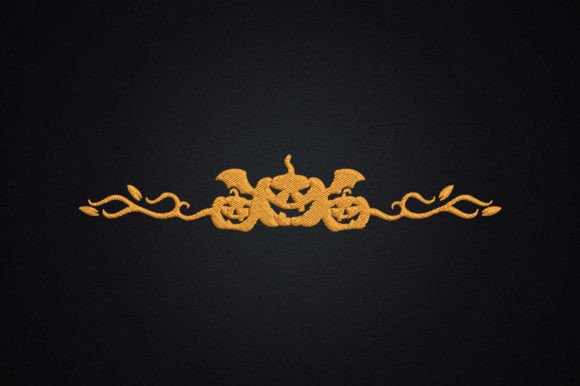
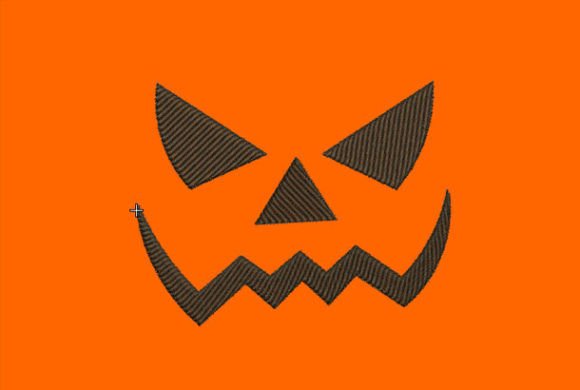
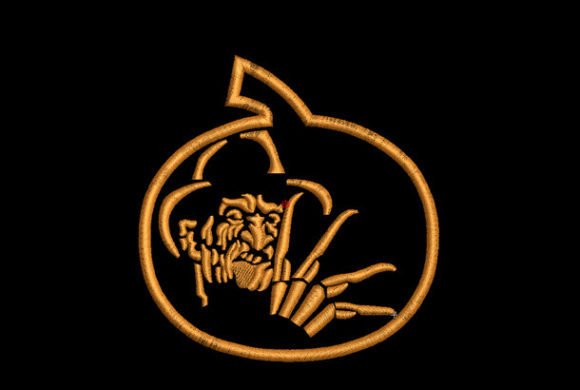
As an embroidery designer who’s stitched hundreds of seasonal motifs for personalized gift shops, I opened Scary Halloween Pumpkin expecting cartoonish grins—and found something far more compelling. This isn’t a generic jack-o’-lantern. It carries expressive, hand-drawn energy: deep-set eyes with subtle thread shading, a lopsided grin that hints at mischief rather than menace, and vine-like tendrils curling from the stem. It feels handmade, not mass-produced—playful but grounded in craft. Customers drawn to meaningful, story-rich gifts (not just holiday decor) will connect instantly. Think grandparents ordering a baby blanket with “Our First Halloween” + Scary Halloween Pumpkin, or a couple adding it to a linen wedding towel as a lighthearted nod to their October nuptials.
Where This Design Truly Shines on Personalized Gifts
Scary Halloween Pumpkin excels where emotional resonance meets practical stitchability. On a soft cotton baby blanket? Its bold outlines hold up beautifully—even at 4.5 inches wide—making it ideal for nursery decor that parents proudly display. Stitched onto a flour-sack kitchen towel? The design’s medium stitch density avoids stiffness, so the towel stays absorbent and drapey. For pillow covers and tote bags, its balanced proportions center effortlessly without overwhelming the fabric. Etsy sellers love how it photographs: the contrast between shadowed eye sockets and bright orange thread pops against cream linen or oatmeal canvas, creating scroll-stopping product mockups. And for wedding gift designers? Pair it with delicate script (“Est. 2024”) on a monogrammed apron—it adds seasonal warmth without clashing with elegance.
Smart Uses Across Your Product Line
- Baby embroidery: Perfect for onesies (on stable knit with tear-away stabilizer), burp cloths, and milestone blankets—its friendly spookiness avoids infantile clichés.
- Wedding gift: Embroidered on ivory tea towels or linen napkins for harvest-themed receptions; pairs well with dried florals in photography.
- Small shop product: A standout on limited-edition Halloween aprons for local bakeries or coffee shops—feels curated, not seasonal stock.
- Custom embroidery: Works cleanly alongside names or dates on embroidered totes—its strong silhouette doesn’t compete with lettering.
- Digital embroidery file buyers: The multiple format inclusion (as noted in the description) means crafters can jump straight into their machines—no conversion headaches.
Where to Use Scary Halloween Pumpkin Thoughtfully
This design is versatile—but not universal. Avoid placing it on highly textured fabrics like bouclé or heavy terry cloth unless you’ve tested stabilizer layers thoroughly; those vine details can snag or blur. On stretchy baby clothes (especially ribbed knits), use cut-away stabilizer *and* baste the fabric to prevent puckering around the pumpkin’s curved edges. Dark fabric demands careful thread color selection—test burnt orange against charcoal gray first; some red-based oranges fade visually on deep backgrounds. And while it holds up well on frequently washed items like towels, skip it on garments needing high-heat drying: dense satin stitches near the stem may soften over time. Most importantly: never assume small lettering fits inside the pumpkin’s hollow—it wasn’t designed for in-pumpkin text. Save that space for standalone monograms or keep it clean.
How It Elevates Your Handmade Product’s Value
Customers don’t just buy a pumpkin—they buy intention. Scary Halloween Pumpkin signals care: the stitch variation in the eyes suggests artisan attention, not auto-generated fills. That perception directly boosts perceived value. A $32 embroidered pillow cover feels premium because this design avoids flat, overly digitized looks—it has rhythm, depth, and restraint. For Etsy sellers, that translates to better reviews (“so much more detailed than other Halloween files!”) and higher repeat rates. Photograph it on natural light + linen backdrops, and buyers instantly imagine it in their own homes—no styling required. That emotional connection drives engagement far more than generic clip art ever could.
Essential Embroidery Notes Before You Stitch
Always test Scary Halloween Pumpkin on scrap fabric matching your final product’s weight and weave. Check thread color contrast—not just on white, but on your actual base fabric. Confirm hoop size compatibility; if your machine requires re-hooping mid-design, note where seams fall (especially near the vine tips). Review stitch density: medium-fill areas like the pumpkin body are wash-safe, but avoid doubling up underlay on thin fabrics. Use appropriate stabilizer—tear-away for stable wovens, cut-away for knits, and fusible + tear-away for towels. Compare light/dark fabric mockups side-by-side: what reads as “scary charming” on ivory may read as “muddy” on navy. After stitching, inspect small details—the vine ends and tooth texture—under magnification. And crucially: verify commercial licensing before selling finished products. The description mentions “multiple embroid”—confirm whether that includes unlimited small-batch rights or requires attribution.
Final Thought: A Design That Sells Itself
In a sea of Halloween embroidery files, Scary Halloween Pumpkin stands out by balancing character with craftsmanship. It’s not just spooky—it’s memorable, adaptable, and deeply giftable. Whether you’re stitching baby embroidery for a first Halloween, curating wedding keepsakes, or building a cohesive line of small shop products, this design invites storytelling. It reminds customers that handmade means thoughtful—and that even seasonal gifts can carry heart. Test it wisely, pair it intentionally, and let its quiet charm do the rest.