Pumpkin Happy Halloween
First Impression: Festive, Friendly, and Booth-Ready
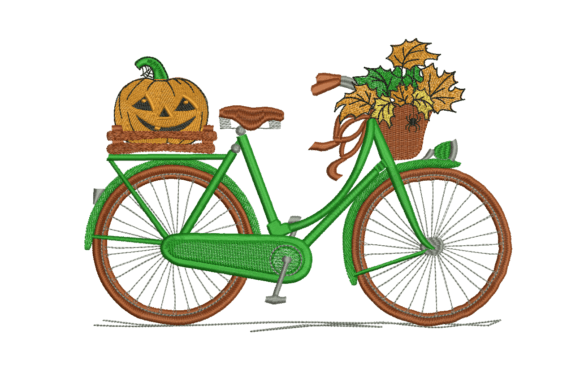
As an embroidery designer who’s prepped over 200 craft fair booths—from Portland bazaars to Nashville holiday markets—I opened Pumpkin Happy Halloween expecting charm, not clutter. And it delivered: a warm, approachable Halloween vibe—neither spooky nor saccharine. It reads as festive first, handmade second, and sellable third. No gothic bats or grinning skeletons here—just a friendly pumpkin with cheerful typography that feels at home on a linen tea towel or a canvas tote. That’s gold for small shop owners: customers pause longer for designs that smile back.
Where Pumpkin Happy Halloween Shines (and Where It Needs Support)
This machine embroidery design thrives where personality meets practicality:
- Tote bag design: Perfect centered on the front panel of a natural canvas or oatmeal twill tote. The pumpkin reads clearly from 6 feet away—and the “Happy Halloween” text adds just enough legibility without crowding.
- Apron embroidery: Ideal above the pocket on a denim or cotton apron. Its balanced width fits standard apron pockets without stretching or distorting.
- Tea towel embroidery: Works beautifully in the lower corner or centered near the hem. Linen’s texture lifts the stitch definition, especially if you use matte cotton thread in warm orange and charcoal gray.
- Embroidered patch: At 3–4 inches wide, Pumpkin Happy Halloween holds up cleanly when heat-applied or sewn onto denim jackets, backpacks, or market bags. Bonus: it reads well even when slightly curved or layered.
- Pillow cover & fabric pouch: Scales elegantly to 5–6 inches—no loss of charm or clarity. Great for giftable handmade products that feel intentional, not generic.
It’s less ideal for curved cap fronts unless resized thoughtfully—tiny stems or thin lettering can blur on tight surfaces. And while it’s lovely on scarves, avoid placing it near hems or folds where stitch density might catch or pucker.
Real-World Production Notes Every Embroidery Business Owner Should Know
You’ll want to test Pumpkin Happy Halloween before batch production—not just for fit, but for feel. Here’s what I check every time:
- Stitch density: Moderate, not heavy—ideal for lightweight to midweight fabrics. But on thick terry cloth towels or textured burlap, add cutaway stabilizer underneath and a light tear-away on top to prevent sinking.
- Thread colors: The design invites contrast—think burnt orange thread on cream linen, or ivory on navy denim. Avoid matching thread to fabric; this design earns its value through visible craftsmanship.
- Hoop size & spacing: Confirm your hoop comfortably contains the full design *plus* ½ inch margin. Tight spacing between pumpkin and text? Check for skipped stitches on dense curves—especially with metallic or variegated threads.
- Fabric texture matters: On nubby tea towels or slubbed cotton, reduce top tension slightly and use a sharp 75/11 needle. What looks crisp in a printable mockup may soften on real fabric—so always run a sample.
- Small lettering caution: “Happy Halloween” uses friendly, rounded fonts—but at under 2.5 inches wide, fine serifs or tight kerning can bleed on dark fabric or low-thread-count cotton. For Etsy listings or craft fair samples, keep it at 3 inches minimum for maximum legibility.
Why This Design Strengthens Your Booth—and Your Brand
In a sea of glitter, vinyl, and laser-cut signs, Pumpkin Happy Halloween stands out because it feels *human*. Not mass-produced. Not algorithm-optimized. It signals care: careful digitizing, thoughtful scale, and respect for stitch integrity. That translates directly to buyer engagement—shoppers linger, touch the fabric, ask about thread choices, and often buy two items (“One for me, one for my sister’s birthday!”).
For Etsy sellers and boutique makers, it supports brand consistency: pair it with neutral-toned products (cream totes, olive aprons, oatmeal pillow covers) and let the embroidery be the joyful accent—not the whole story. It also photographs exceptionally well for digital listings: clean lines, strong contrast, and zero visual noise mean your printable mockup converts faster.
And yes—it’s repeatable. You can embroider 30 tea towels in an afternoon without redesigning placement or adjusting tension. That’s rare. Most Halloween designs either oversaturate or fade into background noise. Pumpkin Happy Halloween lands right in the sweet spot: festive enough for the season, refined enough for year-round appeal.
Careful-Use Reminders Before You Press Start
Before cutting your first stabilizer sheet, do these five things:
- Test the embroidery file on scrap fabric that matches your final product—same weight, same weave, same dye lot.
- Check thread contrast on both light and dark fabric swatches. A design that pops on white may vanish on charcoal.
- Review spacing between elements—especially where the pumpkin stem meets the “H” in “Happy.” Tight gaps = risk of thread nesting.
- Confirm your commercial embroidery license allows finished product sales—this is non-negotiable for craft fair vendors and small shop owners.
- Create at least one real-world mockup: stitch it, press it, hang it on your booth display rack, and walk away for 10 minutes. Come back and ask: Does it still look intentional? Does it invite touch?
When you get those details right, Pumpkin Happy Halloween isn’t just another craft fair product. It becomes a conversation starter, a signature piece, and a quiet signal to your customers: *This maker pays attention—to thread, to texture, to joy.* And in a world of fast craft, that kind of attention sells out fast.