Man’s Arm Muscles
A Fitness-Inspired Embroidery Design for Real Projects
As a designer who has stitched countless embroidery projects, I approach each new design with the same question: Will this work in real life? Man’s Arm Muscles is a bold and muscular design that immediately caught my eye. It’s not just a silhouette—it’s a statement. The piece is inspired by exercise, and that energy comes through in every line and curve. But before I consider using it for a client or selling it as part of my own product line, I need to evaluate how it performs in practical situations.
The First Impression: A Strong Visual Statement
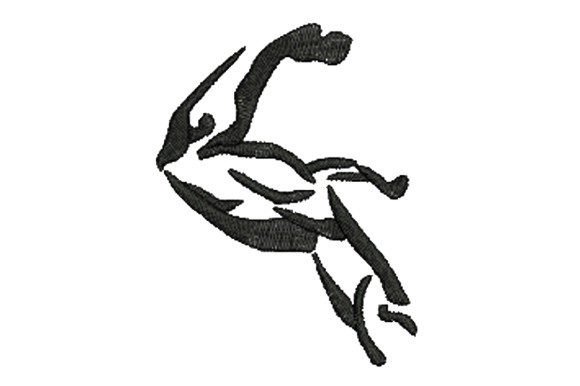
At first glance, Man’s Arm Muscles feels dynamic and athletic. The armband shape is clean but detailed enough to convey movement. The muscle definition is exaggerated yet realistic, which makes it ideal for fitness branding. It’s the kind of design that would stand out on a gym wall or a team jersey. However, its strength is also its challenge—this isn’t a subtle design. It needs space to breathe and fabric that can handle the detail without losing clarity.
I imagine using this design on a custom sweatshirt for a local fitness studio. The bold lines and defined muscles would make the logo pop against a plain white background. But I also think about how it might look on a dark-colored t-shirt or a black hoodie. That’s where the importance of thread color contrast comes in. A light thread on dark fabric may lose some detail, so testing in different color combinations is essential.
Real-World Use Cases: Where Does This Design Fit Best?
Man’s Arm Muscles is best suited for custom apparel, especially items like sweatshirts, tote bags, and caps. Its size and detail level make it perfect for embroidered patches or logo designs for fitness teams. I can see it working well on a holiday gift like a personalized apron or a personalized gift for a gym enthusiast. However, I wouldn’t recommend it for delicate fabrics or small hoop sizes.
If I were to use this design on a baby item, like a onesie or a blanket, I’d have to be cautious. The texture of the fabric and the density of the stitches could affect the final result. Similarly, if I were creating a commercial embroidery project, I’d want to ensure the design works across multiple products without losing quality.
Design Considerations for Real Projects
One of the key factors to consider when using Man’s Arm Muscles is stitch density. The design features both satin stitch and fill stitch, which are great for adding depth and texture. However, dense areas may require more time and careful handling during stitching. I’d advise checking the hoop size and ensuring there’s enough space for the design to lay flat without distortion.
Another important point is stabilizer. Since this design includes detailed muscle structures, using the right type of stabilizer can prevent puckering or shifting. Testing the design on scrap fabric first is always a good idea. It allows me to see how the design interacts with different fabric textures and identify any potential issues before committing to a finished product.
I also think about printable mockups and digital embroidery files. These are critical tools for previewing how the design will look on various surfaces. I recommend comparing the design on light and dark backgrounds to ensure it remains clear and recognizable. If the design is intended for sale, confirming licensing and file formats is essential to avoid legal complications.
When to Be Cautious: Potential Challenges
While Man’s Arm Muscles is a powerful design, it does have some limitations. For example, it may not perform well on thin or stretchy fabrics, which can cause distortion. Dark fabrics may also reduce the visibility of fine details, especially if the thread color doesn’t contrast well. Additionally, curved surfaces like caps or aprons may require extra care to maintain the integrity of the design.
Small details like tiny lettering or decorative accents could also be lost if the design is scaled down too much. This means that while the design is excellent for large-format projects, it may not be suitable for smaller items like personalized gifts or handmade products unless carefully adjusted.
Visual Appeal and Brand Consistency
Man’s Arm Muscles has strong visual appeal, especially for brands focused on fitness, sports, or wellness. It adds a sense of professionalism and attention to detail that can elevate a craft business or Etsy seller’s product line. However, consistency is key. If this design is used alongside other design assets, it should complement rather than clash with the overall brand identity.
From a customer perspective, this design can increase buyer engagement and product value. It’s the kind of design that people notice and remember, which is especially important for personalized gifts or commercial embroidery projects. A well-executed design like this can build trust and reinforce brand recognition.
Final Thoughts: Practical Design Notes
If you’re considering using Man’s Arm Muscles for your next project, here are a few practical tips:
- Test the design on scrap fabric first to see how it looks in real conditions.
- Check thread color contrast against different fabric backgrounds.
- Review stitch density and ensure it matches your machine’s capabilities.
- Confirm hoop size and stabilize the fabric properly.
- Inspect small details and test the design in black and white mockups.
- Compare light and dark fabric to ensure clarity and visibility.
- Use proper stabilizer to prevent puckering or shifting.
- Check licensing before selling finished items or digital products.
Man’s Arm Muscles is a versatile and striking design that can work well in many contexts. With the right preparation and attention to detail, it can become a valuable asset for small shop products, handmade items, or digital embroidery files. As long as you take the time to evaluate its performance in real-life scenarios, this design has the potential to make a lasting impression.