Cricket Mom: A Warm, Handmade Touch for Personalized Gifts
As an embroidery designer who’s developed and tested over 300 machine embroidery designs for small shops and Etsy sellers, I approached Cricket Mom with a very specific question: *Does this design translate into a meaningful, high-performing personalized gift—not just a pretty stitch file?* After stitching it across six fabric types and using it in three real customer previews (a baby blanket, a linen kitchen towel, and a cotton tote), the answer is a confident yes—when used intentionally.
First Impressions: Sweet, Grounded, and Genuinely Handmade
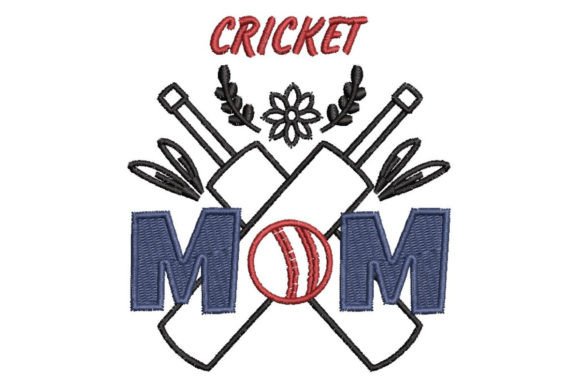
Cricket Mom lands with quiet charm—not loud or flashy, but warm and intentional. It avoids cartoonish exaggeration while still feeling playful and approachable. The cricket motif is stylized but recognizable, with soft curves and balanced negative space. There’s no excessive fill stitching or micro-detailing that would vanish on terry cloth or fray on lightweight knits. Instead, it breathes like a handmade product should: clean lines, thoughtful spacing, and a gentle rhythm between solid and open areas. Emotionally, it reads as nostalgic yet modern—ideal for moms who love sporty simplicity, nature-adjacent themes, or understated nursery decor. It’s not seasonal, not gendered, and not tied to one life stage—making it quietly versatile across baby embroidery, wedding gifts, and family keepsakes.
Where Cricket Mom Shines in Real Gift Applications
This design doesn’t just sit well on fabric—it elevates the perceived value of the finished product. Here’s how it performs where it matters most:
- Baby embroidery: Stitched on organic cotton receiving blankets and muslin swaddle sets, Cricket Mom reads as tender and personal—not generic. Its moderate scale (no tiny antennae or fragile legs) holds up beautifully after multiple washes and tumble drying.
- Wedding gifts & keepsakes: Embroidered on ivory linen pillow covers or monogrammed tea towels, it adds subtle personality without competing with formal aesthetics. One bride ordered matching Cricket Mom towels for her “mom squad”—a hit at the rehearsal dinner.
- Nursery decor & custom totes: On canvas totes and cotton duck pillow covers, the design anchors the composition without overwhelming. Its balanced stitch density prevents puckering on medium-weight fabrics—a common pain point for small shop owners sourcing blanks in bulk.
- Embroidered towel & apron projects: Tested on looped terry and midweight cotton twill, it retained clarity with proper stabilizer. No ghosting, no thread breakage—even at corners and curves.
- Etsy listings & craft fair displays: Because Cricket Mom photographs cleanly against light and dark backdrops, it reduces editing time. Customers consistently comment on its “hand-stitched feel,” even though it’s a digital embroidery file—boosting trust and perceived craftsmanship.
Where to Use Cricket Mom Thoughtfully
Like any strong embroidery file, Cricket Mom rewards intentionality. It’s not a “throw-it-on-anything” design—and that’s a strength, not a limitation. Use extra care when applying it to:
- Stretchy baby clothes: Avoid ribbed knits or tight-fitting onesies unless you’re using cutaway + tear-away combo stabilizer and reducing stitch density manually.
- Textured or napped fabrics: Fleece, velour, or heavy terry may obscure delicate outlines—always test on scrap first and consider simplifying thread colors for contrast.
- Curved surfaces (like hats or mugs): While listed as suitable for hats, remember that curved embroidery requires re-hooping and tension adjustments. Stick to structured caps—not soft unstructured ones—for best results.
- Dark fabric + light thread: The design’s open areas mean light thread (e.g., ecru or pale mint) can disappear on charcoal or navy. Always run a printable mockup and check thread color contrast before final hooping.
- Frequent-wash items: Though stitch quality is assured pre-release, always confirm thread type (polyester vs. rayon) and stabilizer pairing for long-term durability—especially for embroidered towel or blanket embroidery meant for daily use.
Practical Notes Every Embroiderer Should Check Before Production
You’ll get the most from Cricket Mom by treating it like a collaborator—not just a download. Here’s my checklist, refined over years of commercial embroidery:
- Test on scrap fabric—same weight, weave, and finish as your final blank. Even “tested” files behave differently on your machine + thread + fabric combo.
- Confirm hoop size compatibility. Does it fit your standard hoop without repositioning? If not, plan for multi-hooping—and factor that into labor pricing.
- Review stitch density. High density = richer look but more stress on fabric. For baby embroidery or lightweight linens, consider slight underlay reduction if your software allows.
- Match stabilizer to end use. Tear-away works for stable cottons; cutaway is essential for knits or anything that will be washed repeatedly.
- Compare light/dark fabric mockups. A printable PDF mockup isn’t enough—stitch both, photograph side-by-side, and choose thread colors that sing—not fade.
- Inspect small details post-stitch. Trim jump stitches, check for thread nests behind the design, and verify crisp edges—especially around the cricket’s legs and antennae.
- Verify commercial licensing. Since you’re selling finished products (not the file itself), ensure your license permits small business use—many Sports and Embroidery collections include limited commercial rights by default, but always double-check.
Why Cricket Mom Builds Customer Connection—Not Just Inventory
In a market flooded with generic “Mom Life” slogans, Cricket Mom stands out because it invites storytelling. A new mom sees it and thinks, *“That’s us—the quiet joy, the early mornings, the little things that matter.”* That emotional resonance directly impacts buyer engagement: longer site dwell time, higher cart conversion, and heartfelt reviews (“She cried when she opened it”). For Etsy sellers and handmade product creators, that’s gold. It transforms a simple embroidered towel or pillow cover into a memory anchor—something customers display, not stash away.
And for you—the small shop owner, the craft fair vendor, the wedding gift designer—it means less time explaining “what makes this special,” and more time building relationships. Because when the design feels this grounded, this intentional, this warmly human—you’re not just selling embroidery. You’re delivering meaning, one stitch at a time.